
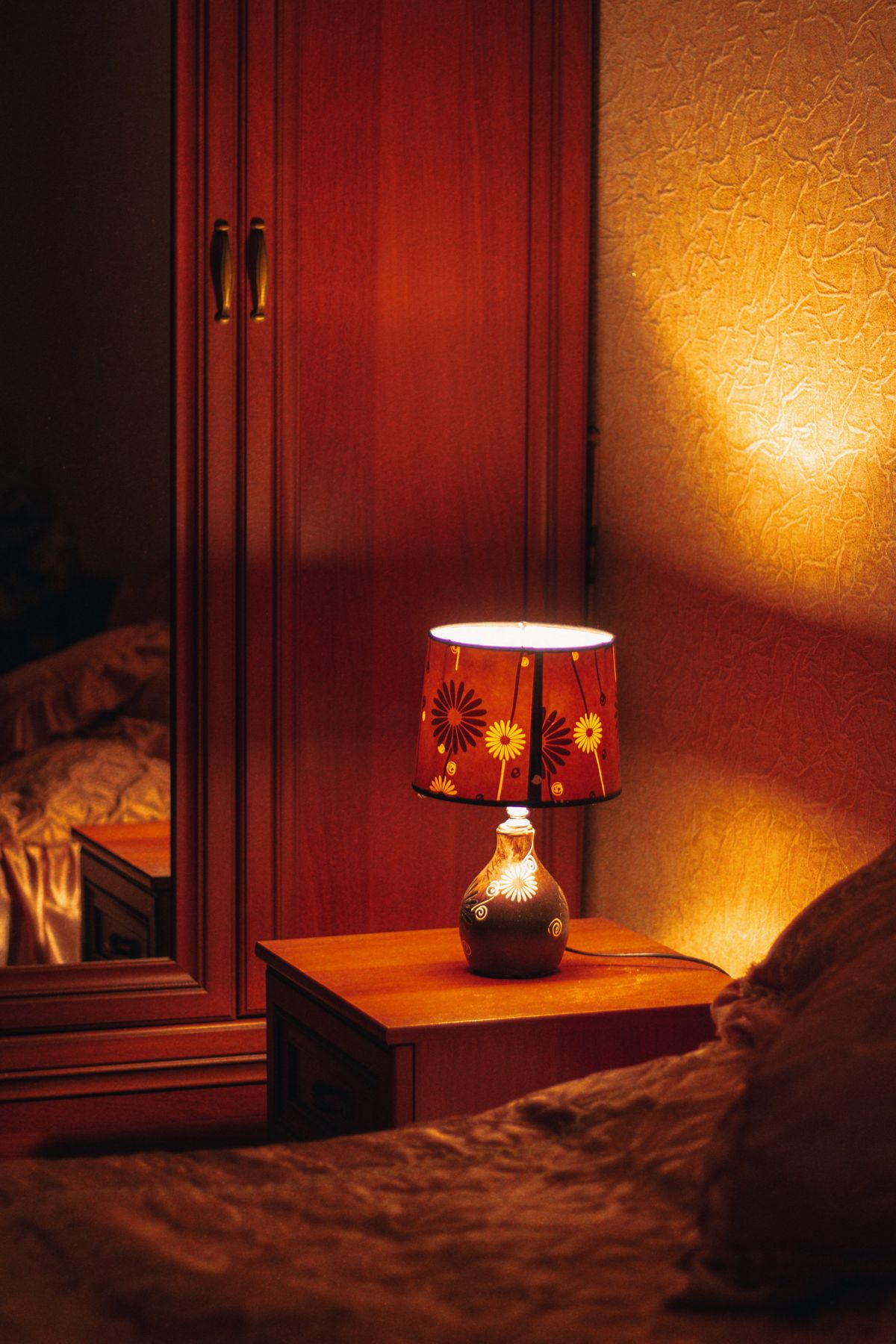
Dmytro Kormylets · Pexels licence
One room can feel welcoming in the evening while another feels unexpectedly harsh, even when both have new LED lights. Brightness is only part of that difference. The colour appearance of the light, where it falls and the surrounding finishes all influence how the room feels.
Separate brightness from colour
Colour temperature describes whether white light appears warmer or cooler; it is not a brightness rating. A warm-looking lamp can still provide plenty of light. Likewise, choosing a cooler white does not automatically solve a room that is poorly illuminated.
When comparing products, keep the questions separate. How much useful light is needed? What colour appearance do you prefer? Where will the fitting direct it? Looking at those decisions individually is easier than trying to choose a complete lighting scheme from the photograph on a box.
Think about the room at different times
A kitchen might be used for breakfast in daylight, detailed food preparation in the afternoon and a quiet meal at night. A bedroom may need good visibility for dressing as well as comfortable light for winding down. There is no reason every activity must rely on the same fitting or setting.
Warm light is often chosen for relaxed evening spaces, but preference matters. Some people favour a clearer-looking white for working. Try samples where possible, in the actual room and against its finishes, instead of treating a colour description as a rule about what everybody should like.
Avoid accidental mixtures
Different whites next to one another can make a scheme look unplanned. This is particularly noticeable where kitchen downlights, cabinet lighting and pendants are visible together. It is worth discussing whether they should match or whether a deliberate difference serves a purpose.
Record the product details after installation. When one lamp needs replacing, choosing “an LED of about the same size” may introduce a different colour or appearance. Buying a suitable spare can be helpful, although availability and compatibility should still be checked when replacements are needed.
Consider the surfaces around you
Light reflects from walls, ceilings and furniture. A shade that looks appealing beside white paint may feel different against timber, coloured cabinetry or a dark worktop. Glossy finishes can also make reflections more noticeable. The effect belongs to the whole room, not just the lamp.
If you are decorating, settle the broad lighting intention alongside the finishes. Wiring positions should be agreed before the room is made good, while final product choices can be coordinated with samples. Your electrician can explain what needs deciding now and what can safely wait.
Ask for the chosen colour specification to appear on the product schedule, alongside the model and output. Descriptions such as warm white can cover different products. Recording the actual specification helps the supplier and installer provide the combination you agreed, and gives you a useful reference for future replacements.
A useful brief for Wallington Electrical Services is more descriptive than technical: “I want clear light for cooking, but I do not want the room to feel clinical when we sit down.” That gives us something meaningful to work towards. The right choice is one that supports how you use the space and still feels comfortable when you live with it.