
Couch-scratching-cats (formerly Rollcloud) · Public domain

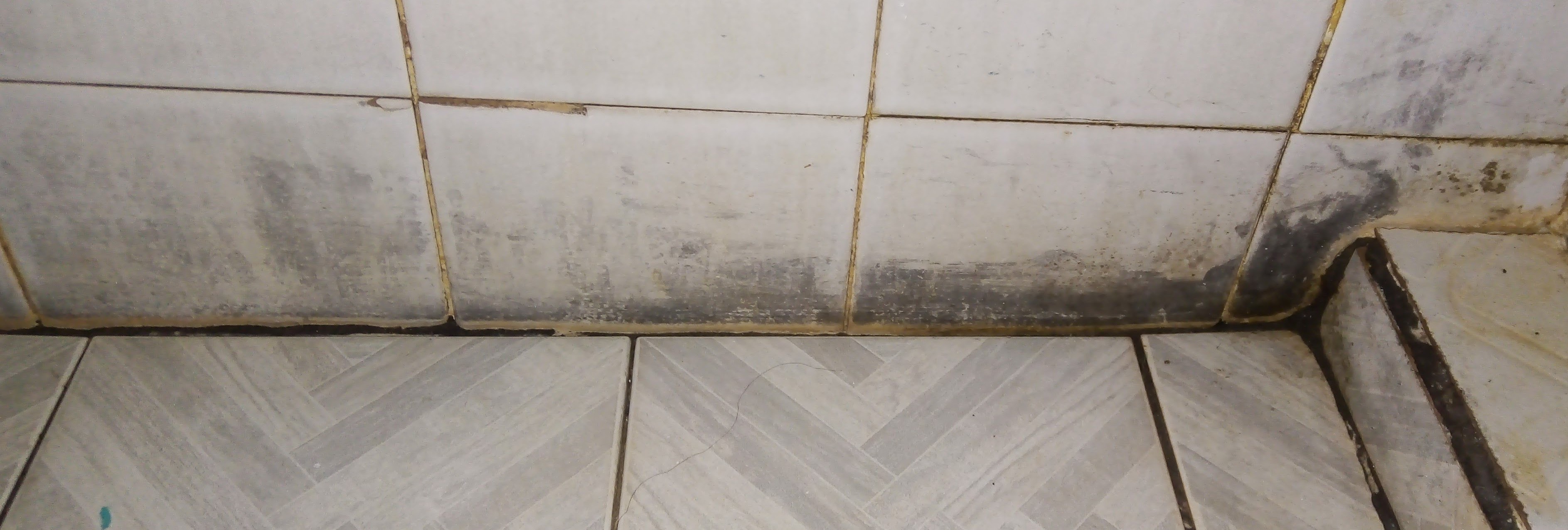
Condensation on windows and recurring mould can be signs that moisture is not escaping effectively. Positive Input Ventilation, or PIV, introduces filtered air into a home to help move humid air out. In suitable properties, it can be part of the answer to persistent condensation.
Wiping the windows each morning removes the water you can see. It does not explain why it keeps returning. Before choosing a ventilation system, it helps to establish where the moisture comes from, how air moves through the home and whether any building defects are contributing.
How the air moves
A typical loft-mounted PIV unit draws air from a ventilated loft, filters it and supplies it through a ceiling diffuser. That steady supply encourages humid indoor air to leave through the home's ventilation routes. The unit provides background ventilation across the property; a bathroom extractor deals with moisture at its source.
Cooking, showering and drying laundry all add moisture. When moist air meets a sufficiently cold surface, condensation can form. Improving ventilation can reduce that build-up, but the temperature of surfaces and the condition of the building also matter. A mould patch behind a wardrobe deserves investigation rather than an automatic assumption about its cause.
Check the house before choosing a unit
A loft needs assessing before it becomes the air source for a PIV system. Nuaire advises checking for damp, water ingress and restricted ventilation. A leak needs repairing, and obstructed ventilation needs attention. Fitting equipment into an unsuitable loft will not make those underlying problems disappear.
The installer also needs to consider the home's size, layout and existing airflow routes. The diffuser should distribute air effectively without creating an uncomfortable draught. Airflow must be set for the property. A flat without a suitable loft may need a different unit or another approach altogether.
Mention recent changes when discussing the work. New windows, draught-proofing, a loft conversion or altered internal doors may have changed the way the home is ventilated. A useful assessment looks at the house as it is now, including its kitchen and bathroom extraction.
Damp needs a diagnosis
Water getting through a roof or wall cannot be repaired by a fan. Nor should ventilation be used to cover up a plumbing leak or delay necessary building work. Government guidance on damp and mould stresses identifying and addressing the underlying causes.
Where condensation is the issue, PIV may form part of the solution. It still makes sense to remove moisture where it is produced. Check that existing extractor fans discharge appropriately, work as intended and are used for long enough. An ineffective bathroom fan can remain a problem after a whole-home unit is fitted.
Living with the system
Ask what the proposed unit consumes at its intended setting. Some models include a heater to temper incoming air, so a running-cost figure needs to distinguish fan operation from heater use. It should also state the electricity price used in the calculation.
Filters need maintaining to the manufacturer's schedule. Keep the unit clear of stored belongings and insulation, and retain the instructions. At handover, ask which controls you should use, what normal operation sounds like and whom to contact if condensation persists. Those details are more useful than simply being told that the fan is on.
For a discussion with Wallington Electrical Services, describe the affected rooms, when the moisture appears and what ventilation is already fitted. Photographs can help explain the symptoms. We can then discuss the electrical work and the property checks needed before agreeing an appropriate installation.