
Gareth.randall · Public domain dedication

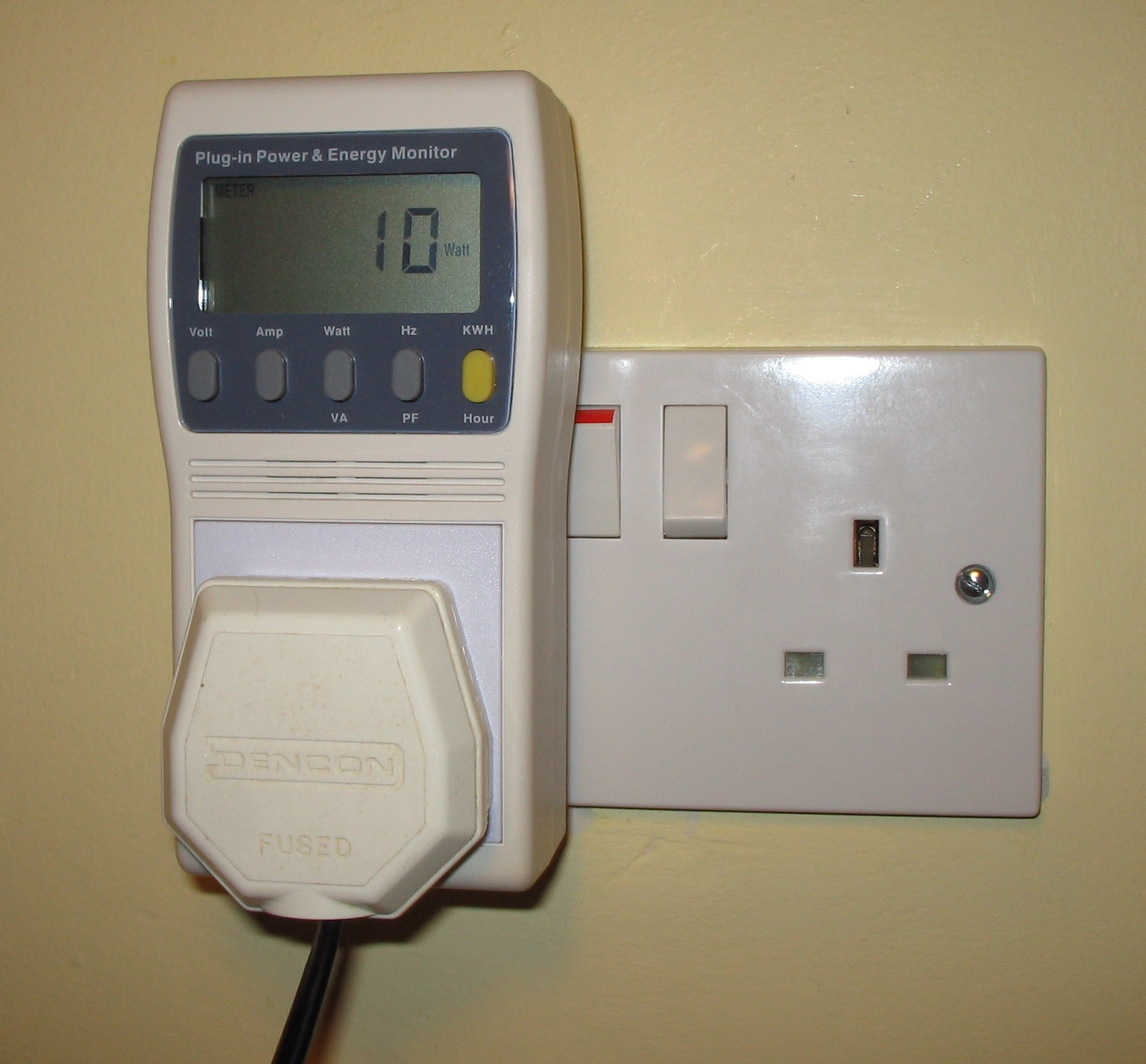
An energy display can make electricity use easier to notice. A kettle creates a brief rise; equipment left running creates a different pattern. The useful part is understanding what the information means and what action it supports, rather than watching the number fluctuate and assuming every rise is a problem.
Know what the device measures
A smart-meter display, a whole-home monitor and an individual plug-in meter are not identical tools. Check what the product measures, how often it updates and whether its cost display uses the correct tariff. Some information may be an estimate rather than a billing figure.
A high instantaneous reading does not tell you the total cost of an activity. Power and energy are different: the rate of use matters alongside how long it continues. A short period of high demand can use less energy than a smaller load operating for many hours.
Begin with a simple question
Choose something specific to investigate, such as what remains on overnight or how a heating schedule affects use. Keep notes of the conditions rather than changing several things at once. The aim is to learn something repeatable about the household's routine.
Do not disconnect essential equipment to create a low reading. Follow manufacturers' instructions and preserve supplies needed for safety, health or proper appliance operation. A monitor is an information tool, not a reason to experiment with equipment you do not understand.
Avoid false precision
A display showing pounds and pence depends on the tariff information entered or supplied to it. Check whether standing charges and time-of-use rates are represented correctly. Compare like periods and remember that weather, occupancy and activities can change consumption.
If the readings appear wrong, investigate the device and its setup before drawing conclusions about the installation. A whole-home monitor may not identify individual appliances reliably, especially when several operate together. Ask what the product can actually distinguish rather than relying on a feature name.
Turn observations into useful decisions
The findings may suggest a schedule adjustment, an appliance question or a need to investigate unexpectedly persistent use. They may also confirm that an activity simply uses electricity when you need it. Not every visible load is waste, and comfort and practical needs still matter.
Avoid buying replacement equipment solely from one reading. Consider its condition, function and total cost as well as energy use. If you suspect an electrical fault, arrange an appropriate assessment; a normal-looking energy graph cannot certify an installation as safe.
Install the right tool properly
Some products are designed for straightforward user setup; others require work around electrical equipment and should be installed by a competent person. Follow the particular manufacturer's instructions and do not open a consumer unit to fit a monitor yourself.
Wallington Electrical Services can discuss relevant electrical work and confirm whether a proposed monitoring installation is within the agreed scope. Start with the question you want answered. A modest display that helps you understand one useful pattern can be more valuable than a complicated dashboard whose figures never lead to a practical decision.