
Théo Delavo · Pexels licence
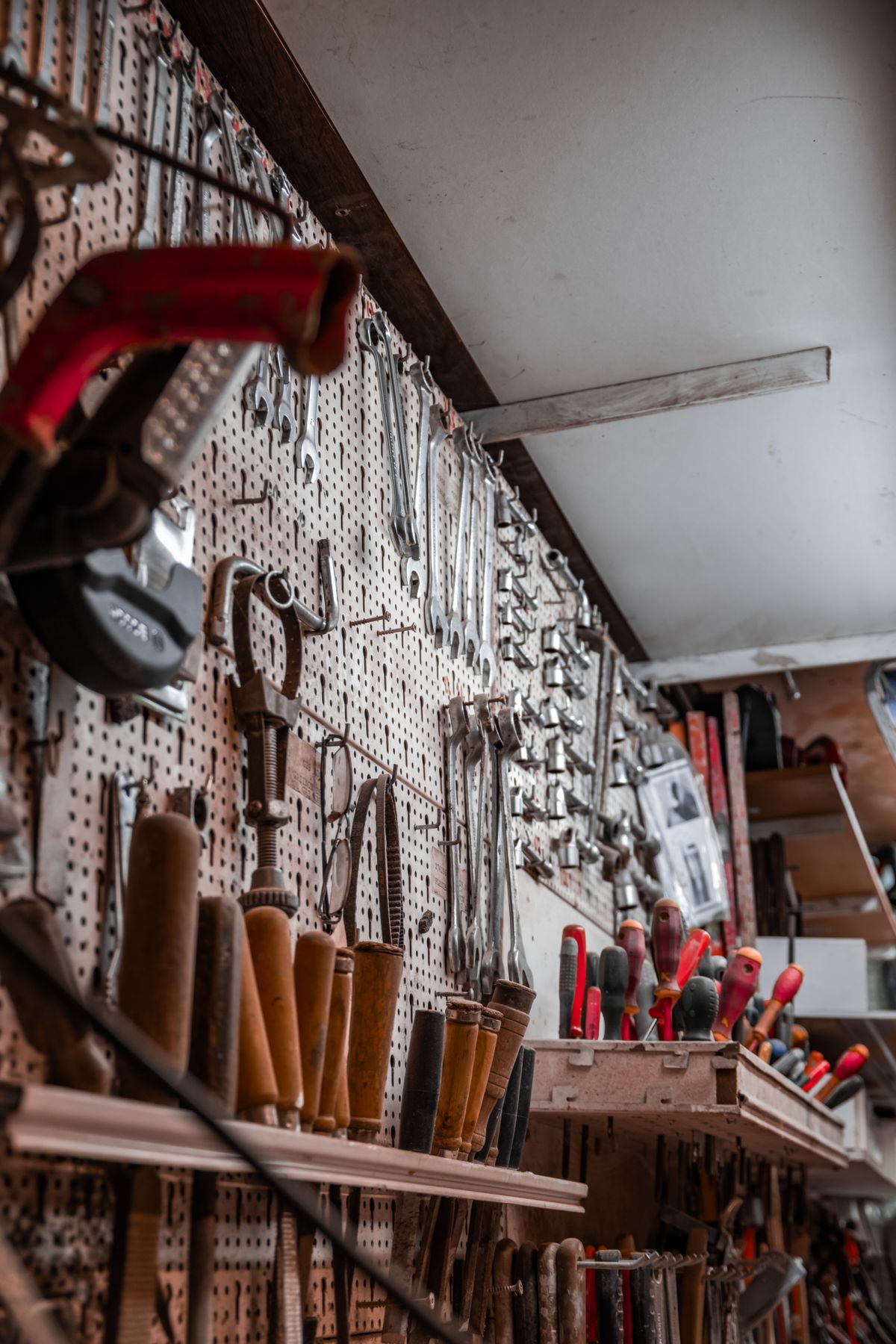
A garage workshop works best when the electrical layout follows the work. The bench, machinery, storage and door all influence where power and light are useful. Putting a few sockets on the easiest wall can leave leads crossing the floor precisely where you need room to move.
Describe what you will do there
There is a difference between bicycle maintenance, occasional DIY and a workshop with larger machinery. List the equipment, including items you expect to use together. Give the electrician manufacturers' details for substantial tools, extraction and heating rather than estimating from the size of their plugs.
If the garage will also house a freezer, charger or other household equipment, include that too. Existing power is not proof that the installation is suitable for the new use. The assessment should consider what is already there and what the proposed arrangement will demand.
Lay out the bench first
A sketch showing the bench, shelving and machines is more useful than a request for sockets on every wall. Allow space for plugs, chargers and equipment that moves. Think about whether storage bins or sheet materials will cover outlets once the room is in use.
Do not forget the garage door. Its tracks and moving parts can limit where equipment is placed. An outlet that is convenient with the door closed may become inaccessible when it is open. Walk through both arrangements before finalising positions.
Light the work, not just the room
A bright fitting behind you can leave your own shadow on the bench. Discuss general lighting and the particular tasks you need to see. Close work may benefit from a suitable task light, but that should not leave the rest of the workshop difficult to navigate.
Consider reflections from shiny surfaces and the effect of lights when using rotating machinery. Equipment and lighting selection should suit the actual workshop; ask for relevant advice rather than choosing solely by brightness. The same applies to environments with dust, damp or other unusual conditions.
Keep leads out of the working area
Plan where portable tools will connect and how you will move materials. Extension leads should not become a permanent substitute for a layout that meets everyday needs. Avoid routing them where they can be crushed by doors, caught by equipment or damaged during work.
Ask how the installation will be controlled and what you should do if equipment develops a fault. Larger or specialist machinery can require additional controls and assessment. A domestic garage setting does not make every machine a straightforward plug-in addition.
Agree the boundaries of the project
Electrical work is only one part of making the garage suitable. Ventilation, dust extraction, fire precautions and the building fabric may need separate attention. If the space is becoming a habitable room or a business premises, explain that change rather than describing the job as a few extra sockets.
Before decorating or lining the walls, settle the electrical plan and the sequence with other trades. Ask Wallington Electrical Services to review the existing supply and your equipment list, then agree the installation, testing and making good included in the quotation. A workshop should be easy to use on the day you finish it, without immediately needing another lead across the floor.