
Jony Costa · Pexels licence
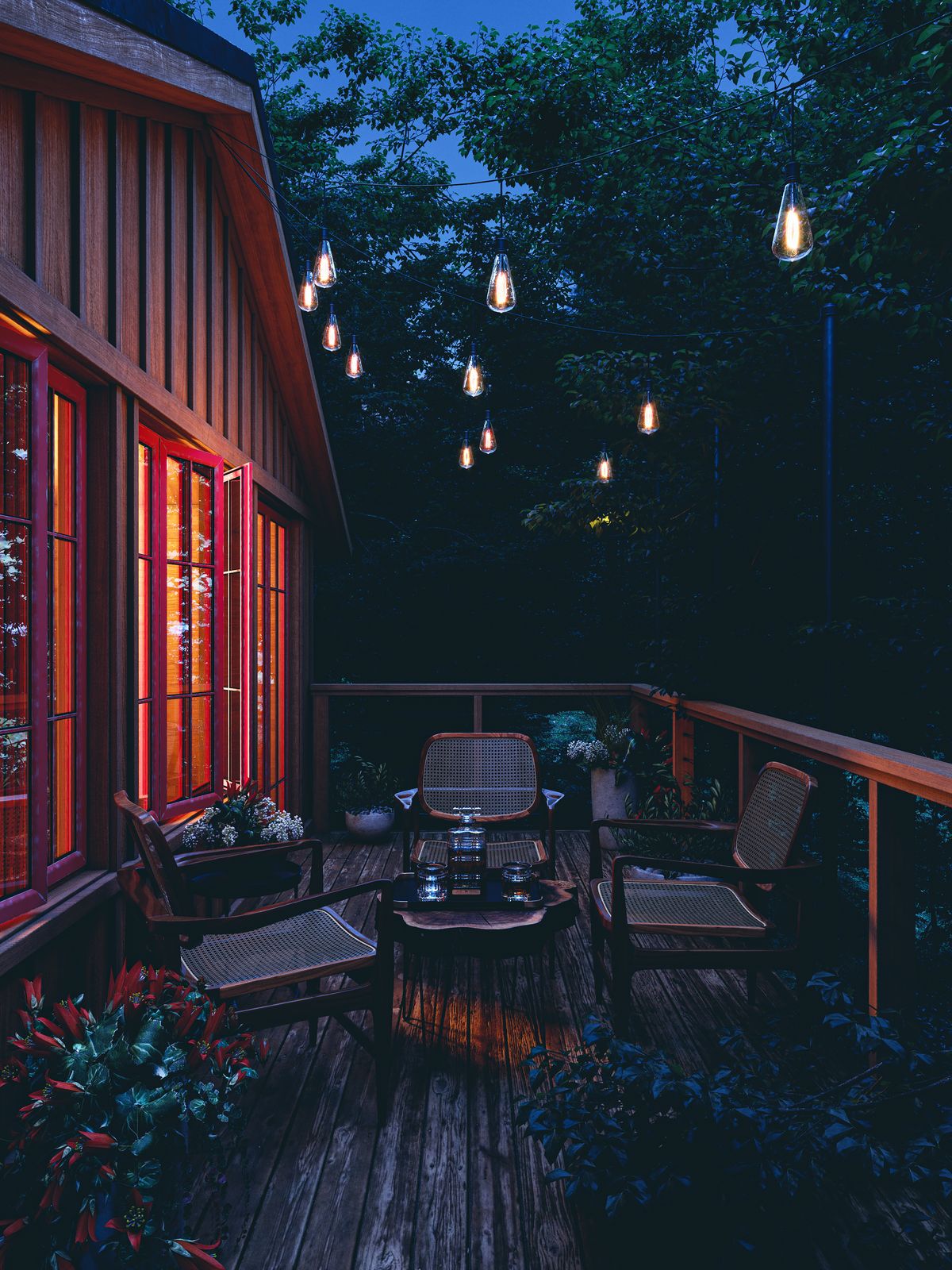
A garden can look inviting after dark without every fence panel being lit. Start by standing at the back door and deciding what you want to see: the steps, a route to the shed, a table, perhaps one tree. The unlit parts matter too. They give the garden depth and leave somewhere for your eyes to rest.
Separate practical light from atmosphere
A light for finding a key serves a different purpose from one beside a dining area. Sketch the routes people actually use, including changes of level and awkward corners. Then mark the places where you sit. This usually produces a more useful brief than choosing a collection of fittings first.
Think about the view from indoors. A bright fitting facing the kitchen window may be uncomfortable even if the patio itself is well lit. Position and direction can matter as much as output. Ask to see how the proposed fitting shields the light source rather than judging it only from a daytime photograph.
Look beyond your boundary
Consider neighbouring windows, shared paths and the road. A security light should illuminate the intended area rather than flash into a bedroom whenever a passing branch moves. Its detection area, operating time and adjustment need discussing as part of the installation.
There is also a case for leaving parts of the garden dark for wildlife. Avoid assuming that more fittings always mean a better scheme. Targeted light used when needed is a sensible starting point, with specialist advice where protected species or sensitive locations are involved.
Put controls where they make sense
You may want path lighting when arriving home, softer light while eating and everything off afterwards. Those uses do not have to share one switch. Separate control gives you choices without requiring a complicated smart system.
Decide how you will turn the lights off from indoors. If an app is proposed, ask what remains possible without a phone or internet connection. For automatic lights, make sure the settings are accessible and that you understand how to change them as planting grows or your routine changes.
Plan before the landscaping
Tell the electrician about future paving, raised beds and garden buildings before those works begin. Cable routes, fittings and accessible connections need coordination with the landscape design. A convenient route on paper can become unsuitable once a patio, retaining wall or tree is included.
Outdoor electrical equipment must suit its location and installation. Electrical Safety First's garden guidance is a useful reminder that outdoor power needs appropriate protection. Product descriptions alone do not settle the design for your garden; ask the installer to assess the complete arrangement.
Allow for maintenance
Plants grow around fittings. Leaves collect, surfaces weather and equipment eventually needs attention. Choose positions that remain accessible without dismantling a deck or climbing through a hedge. Discuss whether a failed light source can be replaced or whether the complete fitting would need changing.
For an initial conversation with Wallington Electrical Services, a rough garden plan and a few photographs are enough to explain your priorities. Mark the areas you want to use after dark, the neighbouring windows and any landscaping dates. That gives us something practical to work from before you spend money on lights.