
Hitchhiker89 · Public domain

Both are intended to reduce the effect of brief voltage surges, but they are fitted in different places and protect different parts of the setup. A surge protective device fitted as part of the electrical installation can protect the installation and connected equipment within its design. A plug-in surge-protected extension serves the equipment connected to it. Think about which equipment you want to protect and where the protection would sit before buying anything.
What a fixed device is there for
The Institution of Engineering and Technology describes a surge protective device, or SPD, as a way to protect against transient overvoltages. These are brief rises in voltage, rather than the power going off. A fixed SPD may be fitted at or near the consumer unit as part of an overall design. Ask an electrician to check what protection is already present and what options are appropriate if you are changing the board or improving an existing installation.
A spare position in a consumer unit does not tell you which equipment can safely be fitted. The electrician needs to consider the installation, the board and the device manufacturer's requirements. If there is already a device, ask how you can tell when it needs attention and whether there is any indicator you can read without removing a cover. Keep the instructions and the relevant installation record.
What a plug-in product can do
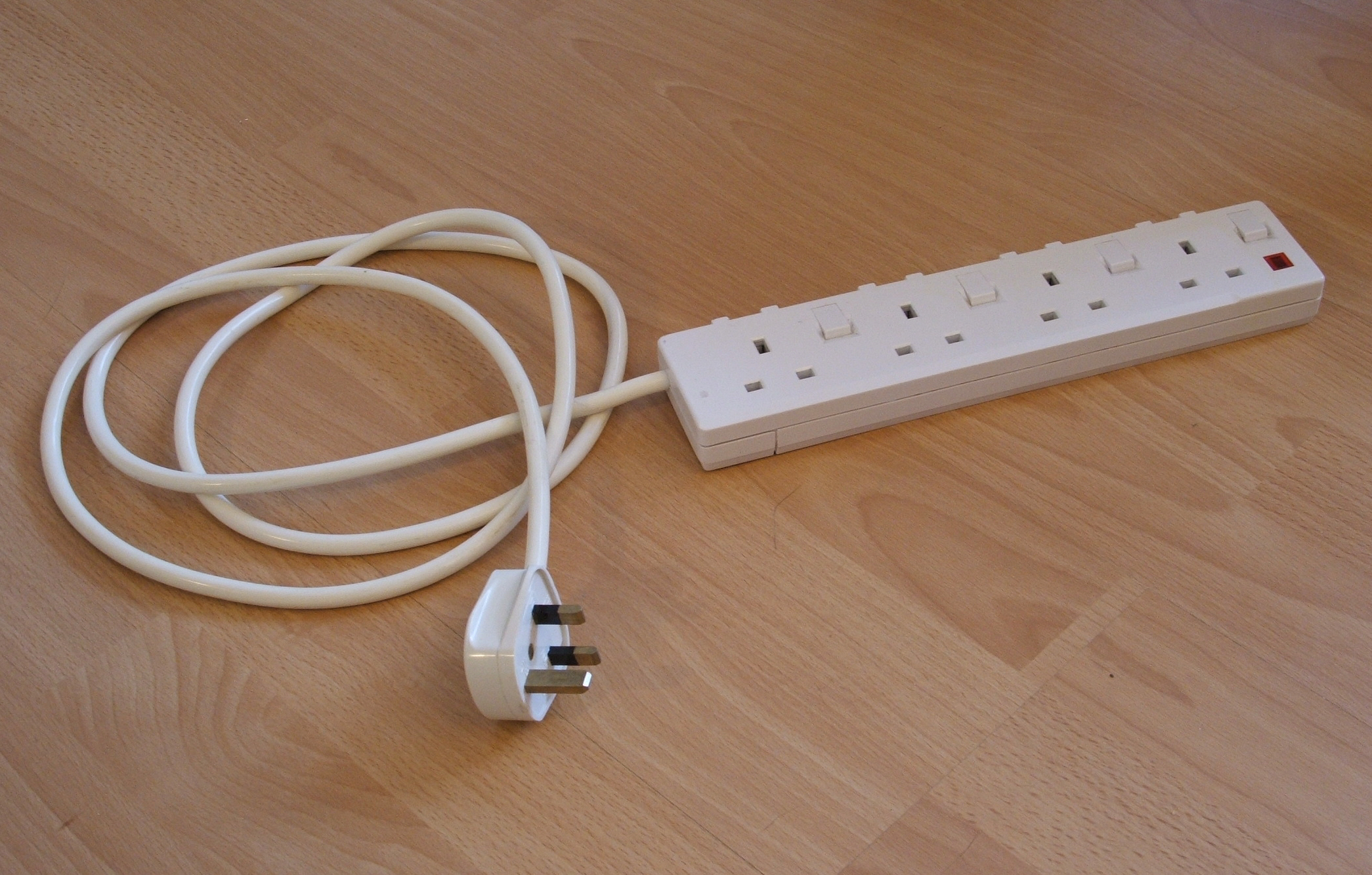
A surge-protected extension is a local option for compatible equipment such as a desk setup. Check that the product actually claims surge protection. A row of sockets and an illuminated power switch do not prove that it has any. Read the manufacturer's instructions for the rating, intended use and any separate status indicator. If the instructions say the protection has a limited service life or that a particular light shows it is active, make sure you understand that information.
The same care applies to an extension lead whether it has surge protection or not. Check what the lead is rated for and what will be plugged into it. Avoid overloading it or joining extension leads together. If you need several permanent outlets or want to run equipment with substantial power requirements, discuss a suitable socket arrangement with an electrician. A surge protection label does not increase the amount of power an extension can carry.
Match the protection to the problem
Surge protection will not keep equipment running through a power cut. If you need a computer or router to stay on briefly when the supply fails, ask about backup power for that equipment. If a breaker keeps tripping or lights repeatedly change brightness, report that as a fault or supply concern. Buying an extension lead does not identify the reason.
A useful starting point is to make a short list of the equipment that matters most and what you are trying to prevent. A home office might have a computer and network equipment that you want to protect. A house renovation may give you an opportunity to consider the installation as a whole. Ask what protection already exists, what any additional product covers and how you will know it remains in service. That gives you a clearer answer than comparing the number of sockets on the packaging.
If you want to discuss surge protection for a home office or other equipment, tell Wallington Electrical Services what you use and where it is connected. We can discuss how the different types of protection fit into the overall installation.